A typical machinery exhibitor spends months on the stand and a few days on everything else. The video budget goes into one film for the main screen. Before the fair there is a LinkedIn post with a hall number; after it, a thank-you email with a photo of the team. The stand works for three or four days. The marketing around it barely works at all.
Trade show visitors are worth that effort. Research by the Center for Exhibition Industry Research (CEIR) has repeatedly found that the large majority of attendees have a role in purchasing decisions, with one widely cited CEIR figure putting the share with buying authority at 81 per cent. These are exactly the people you want to reach before they plan their route and after they get home.
The principle: one production, three phases
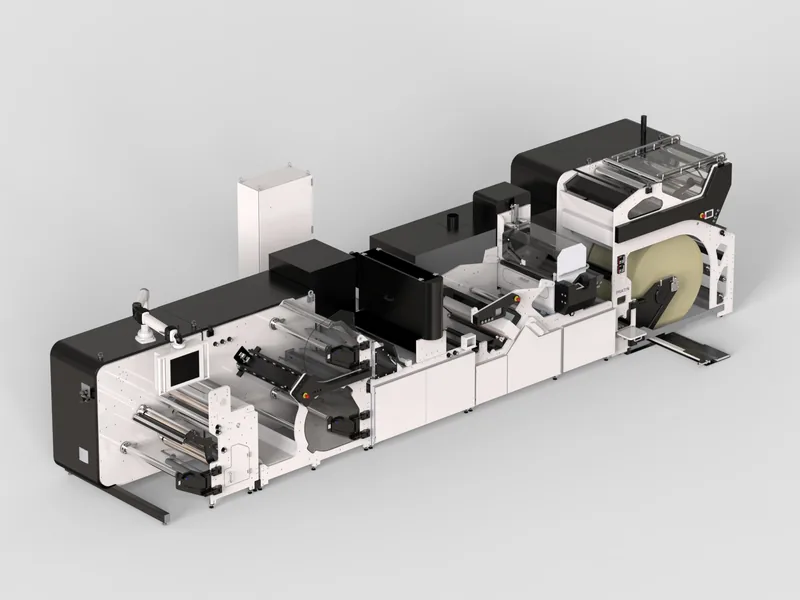
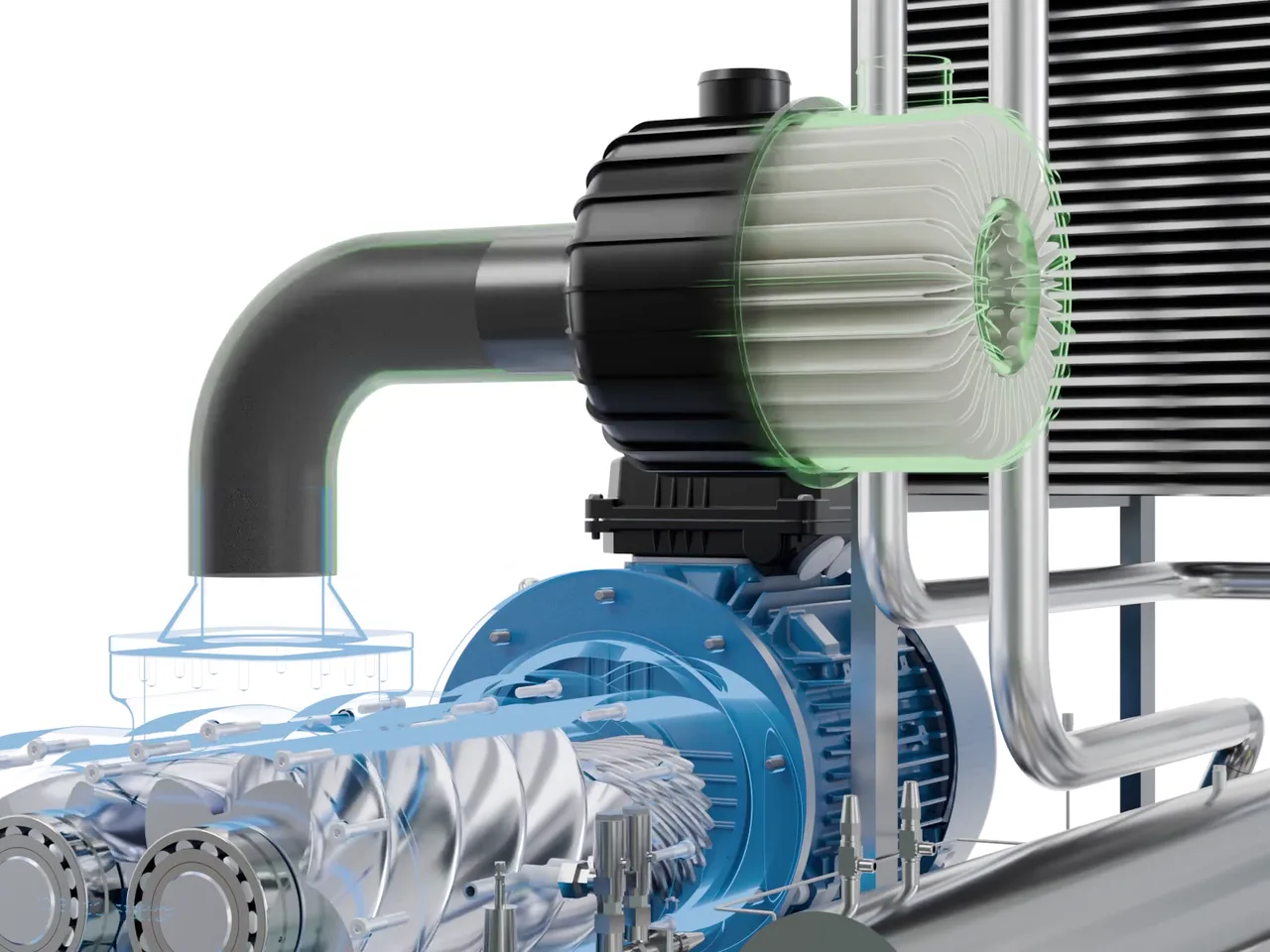
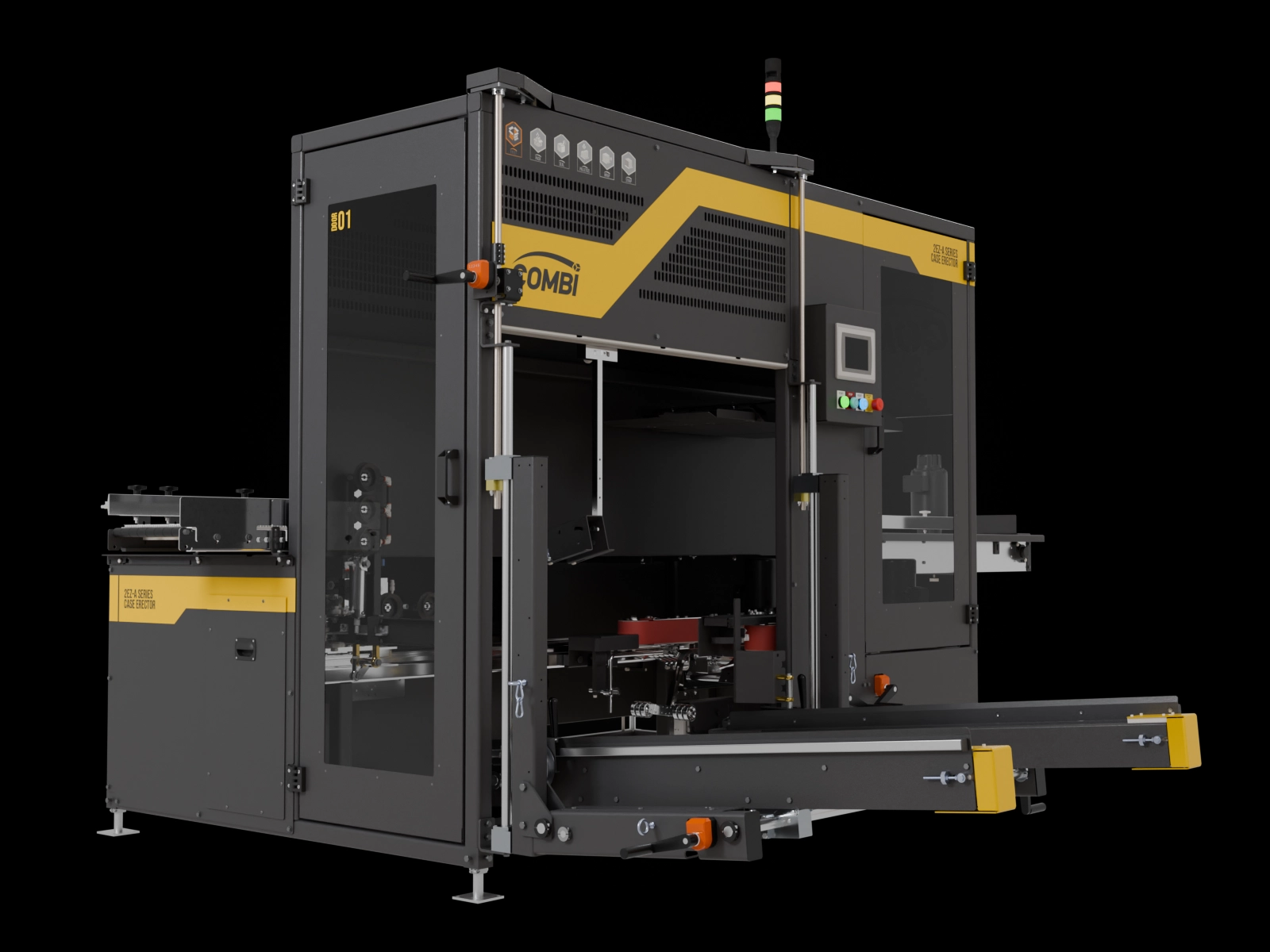
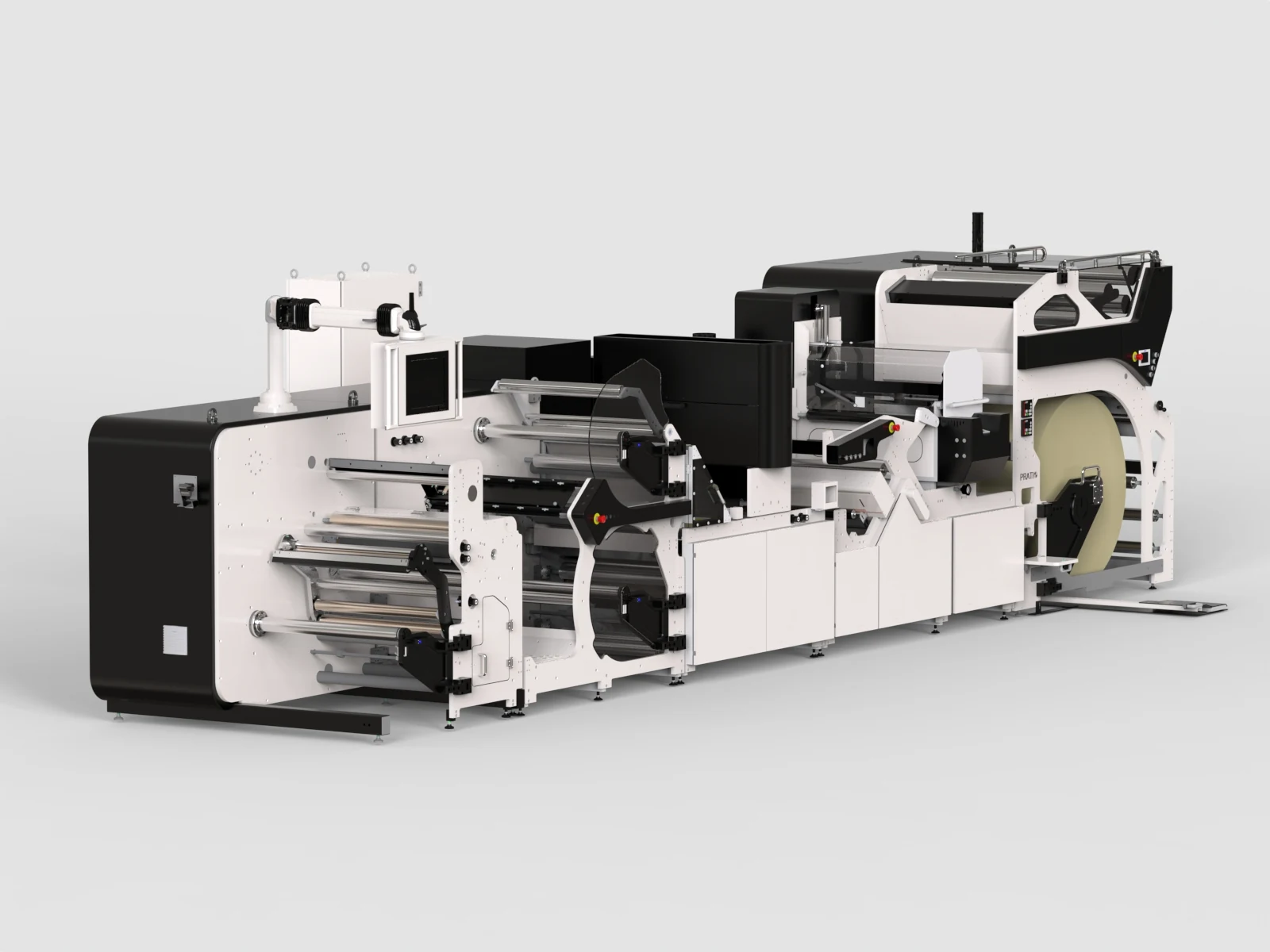
When your visuals are rendered from 3D, every frame is reusable. The machine, materials, lighting and animation are already built; a teaser, a square social clip or a follow-up film is a new camera and a new edit, not a new production. Plan all three phases at the start and the extra cost is small.
Phase 1: before the fair (four to six weeks out)
- Teaser clip, 6 to 15 seconds. A detail of the new machine, a half-revealed silhouette, the hall and stand number. Square and vertical versions for LinkedIn and email.
- Invitation film, 30 seconds. What visitors will see on the stand and why it matters to them. Sent by sales to named accounts with a meeting link.
- Press renders. High-resolution stills for trade magazines, which publish pre-show previews and need images weeks in advance.
- Product page update. Put the new renders and a short clip on the product page before the fair, so visitors who search your name find something current.
Phase 2: at the fair
- Booth loop. Silent, 60 to 90 seconds, seamless, readable from three metres. See seven rules for booth loop video.
- LED wall edit. The same material rendered at the wall's exact pixel map. See our LED wall content guide.
- Meeting room film with sound. The longer version, with voice-over, for the conversations that matter.
- Interactive model on a tablet. For the engineer who wants to look inside. Optional, but it keeps people on the stand.
- Daily social clips. Short cuts from the existing material, posted during the show with the stand number.
Phase 3: after the fair (the first two weeks)
- Follow-up film, 60 to 90 seconds. The process explained with sound and captions, for the visitor to forward to colleagues who were not there. Gartner's research on B2B buying suggests buyers spend only a small share of their buying time meeting suppliers at all; the follow-up film is what represents you in the rest.
- Application-specific cuts. If you met food, pharma and consumer goods visitors, send each a version that opens with their application.
- Interactive or AR link. A browser link where the visitor can rotate the machine or place it in their plant. See AR for trade shows.
- Distributor pack. Renders and films in each distributor's language, so the show reaches markets you did not visit.
| Asset | Phase | Format |
|---|---|---|
| Teaser, 6 to 15 s | Before | 1:1 and 9:16 for social, 16:9 for email |
| Invitation film, 30 s | Before | 16:9 with captions |
| Press renders | Before | Print resolution stills |
| Booth loop, 60 to 90 s | At the fair | Native screen resolution, silent |
| LED wall render | At the fair | Exact wall pixel map |
| Meeting room film | At the fair | 16:9 with sound |
| Follow-up film | After | 16:9 with voice-over and captions |
| Application cuts | After | 16:9, 30 to 60 s each |
Timing
Work backwards from the show. For a full process film, send CAD about twelve weeks before opening; the teaser and press renders come out of the same production four to six weeks before the fair. Our 2027 trade fair calendar lists send-by dates for the main shows.
Budget
Our booth essentials package starts at $5,600. A complete show package, with process film, feature films, prints, cut-downs and an interactive viewer, starts at $15,900. Because everything is rendered from one model, adding pre-show and post-show cuts to a show production costs far less than commissioning them separately.
Send your CAD file with your show dates, and we will return a fixed quote covering all three phases within one working day.
Written by Engr. Bilal Naseem, mechanical engineer (PEC Reg. No. 47883) and founder of 3DEnginuity. Questions about your own machine? Write to bilal.naseem@3denginuity.com.
Send one CAD file for a free assessment.
We open it, tell you what is usable, and return a fixed price and delivery date within one working day. NDA first if you need it.