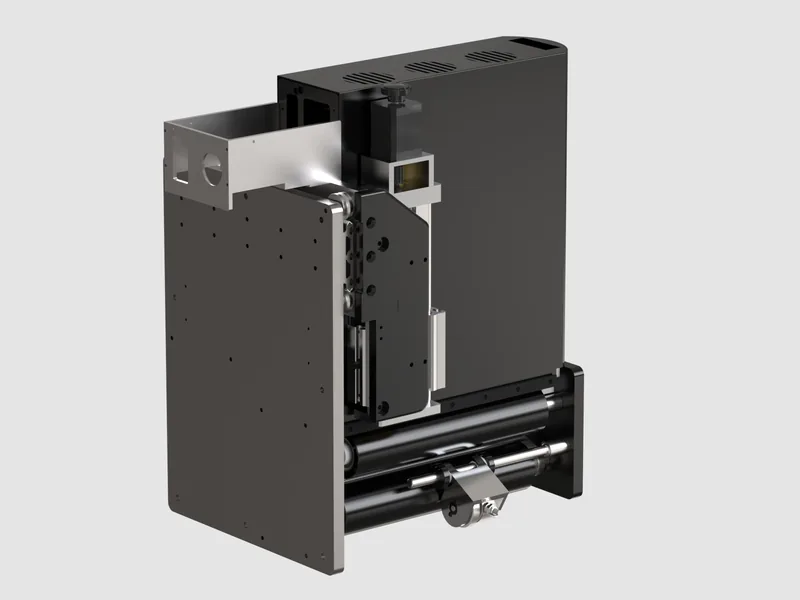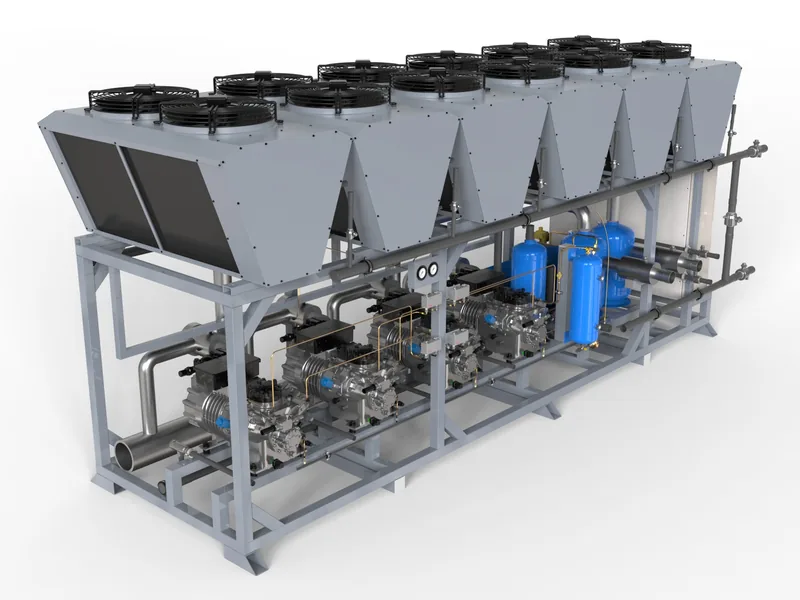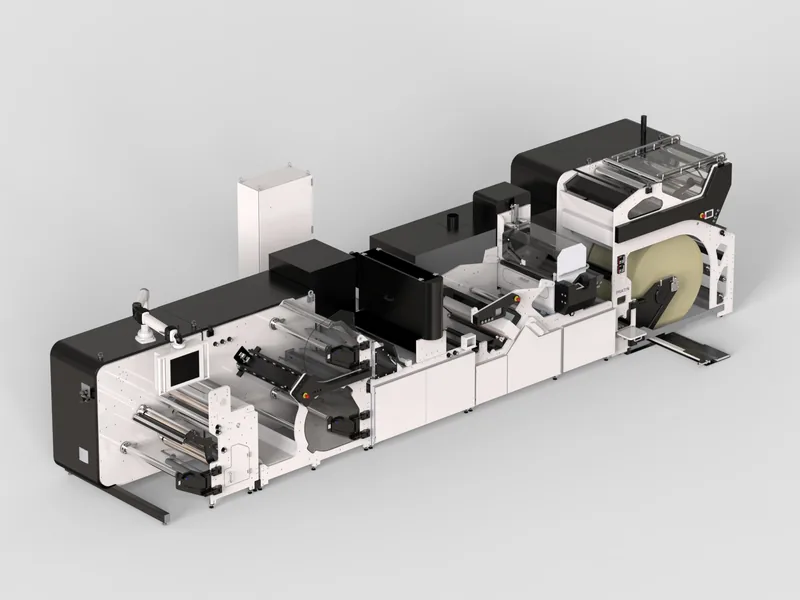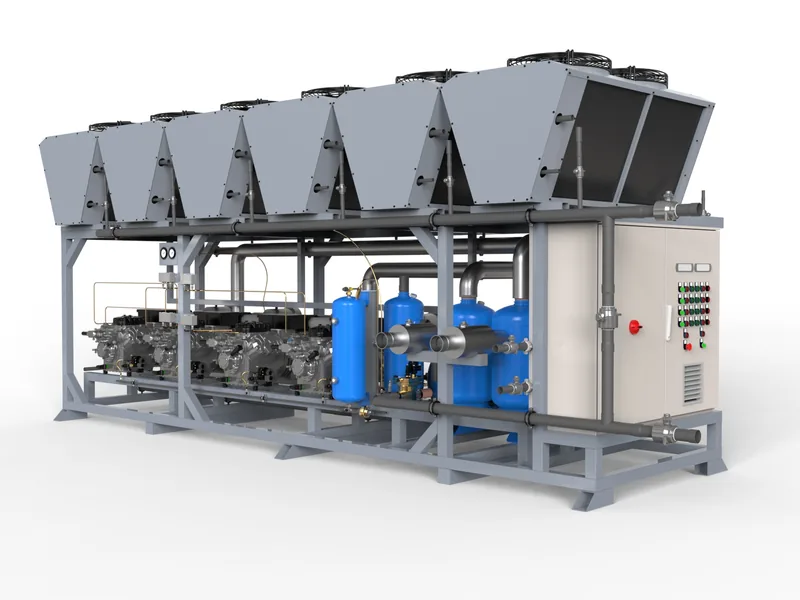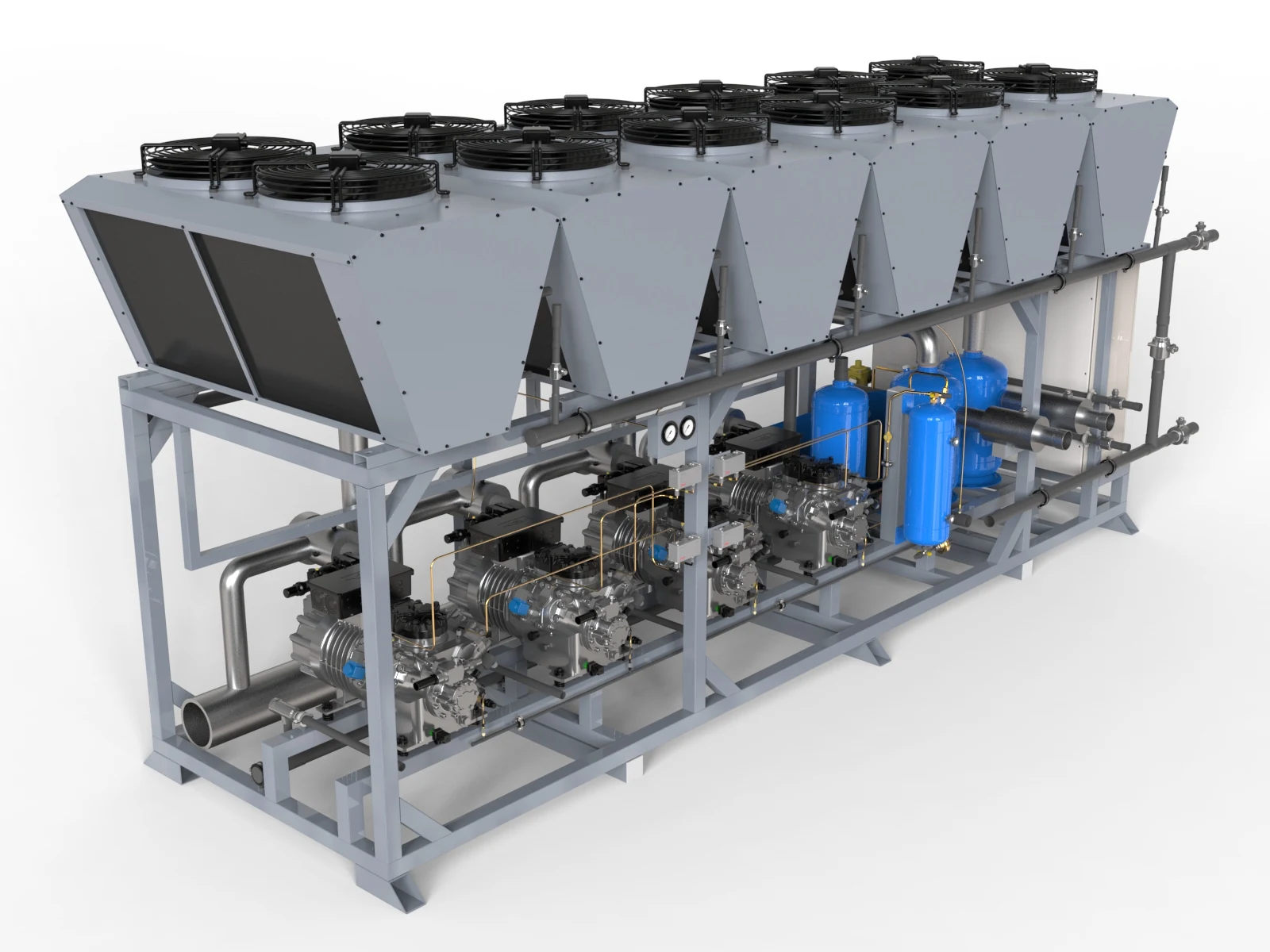
Every machine builder knows the trade show calculation. Shipping a real machine means crating, freight, rigging, installation, utilities, insurance and the same in reverse, plus the opportunity cost of a demo unit that is not available for customers. For a large packaging line, a press or a processing system it is often not possible at all. The stand ends up with a small model, a banner and a screen.
Augmented reality offers a third option: the full-size machine appears on the stand floor, in the visitor's hand on a tablet or phone, at true scale, built from your engineering CAD. Visitors walk around it, open it and see options switch. Done well, it is one of the few stand technologies that is both memorable and genuinely informative.
When AR is worth it
- The machine is too big, heavy or expensive to ship. Lines, presses, large processing equipment, agricultural and construction machinery.
- You sell many configurations. AR can switch between them; a shipped machine shows one.
- Footprint matters to the buyer. Seeing a machine at scale in a real space answers "will it fit" better than a drawing.
- The model has a life after the show. The same AR model can sit on your product page and in your sales team's tablets. That is where most of the return comes from.
AR is less useful when the product is small enough to bring, or when the buying decision depends on running the machine with the customer's material. Then a live demo or a test run in your factory wins.
Three ways to deliver AR on a stand
| Approach | How it works | Best for |
|---|---|---|
| WebAR from a link or QR code | Visitor scans a code; the machine opens in the phone browser and can be placed on the floor. No app to install. | Reach: every visitor can use it, and it works after the show from an email link. |
| Tablet app on your stand | Your staff hand visitors tablets with the model preloaded. Higher detail, guided by your engineer. | Quality and control: the demo runs the same way every time. |
| Headset experience | Mixed reality headset with the machine anchored in the stand space. | Spectacle and detail, but one visitor at a time and more support needed. |
Most of our clients start with WebAR built into the same model as their interactive 3D viewer, and add a tablet experience on the stand. Headsets make sense mainly for training content, which we cover in VR training for machine operators.
What makes AR convincing for engineers
- True scale and true geometry. Built from your CAD, not from a marketing approximation. Engineers will measure things against their own height.
- Interaction that teaches. Guarding that opens, an infeed that runs, options that switch. A static model gets one look; a working one gets a conversation.
- Performance on ordinary devices. A machine assembly of tens of thousands of parts must be reduced intelligently to run smoothly on a phone without losing the visible detail. That reduction is engineering work.
- Stable tracking on a busy floor. Carpets, crowds and changing light all make tracking harder. Test on the hall surface if you can, and keep a printed floor marker as a fallback.
After the show
The best AR projects are planned for the sales cycle, not the fair. A WebAR link in your follow-up email lets the visitor place the machine in their own plant and show their colleagues. That turns one stand visit into an internal discussion you would otherwise not be part of. See virtual machine demos for sales engineers.
Cost and timeline
Our interactive 3D viewer, which includes an AR mode on phones, starts at $5,200 and takes four to eight weeks. Dedicated AR and VR experiences start at $8,500 and take six to twelve weeks. If we have already prepared your machine for renders or films, the AR model costs less because the CAD work is done. For a show, brief AR at least ten weeks before opening.
Send one CAD file and tell us the show. We reply within one working day with what the model can do and a fixed price.
Written by Engr. Bilal Naseem, mechanical engineer (PEC Reg. No. 47883) and founder of 3DEnginuity. Questions about your own machine? Write to bilal.naseem@3denginuity.com.
Send one CAD file for a free assessment.
We open it, tell you what is usable, and return a fixed price and delivery date within one working day. NDA first if you need it.