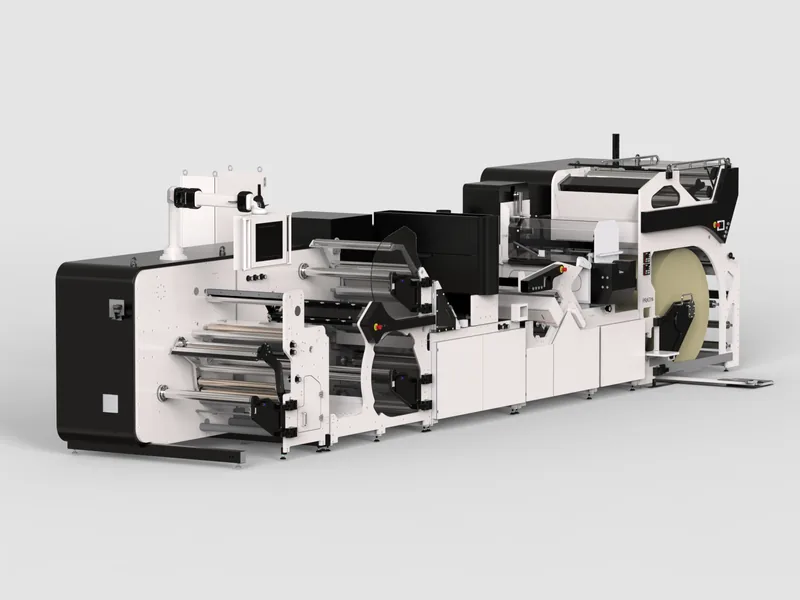
Machine launches have an awkward timeline. The trade fair date is fixed a year ahead, the press wants images months before it, sales wants a film for key accounts, and the first production unit is still being assembled, or not yet started. Traditional film production cannot begin until there is a finished machine to film. A launch film built from engineering CAD can start as soon as the design is stable.
This guide covers how to plan that film: what it should contain, how long it should be, which versions you need, and when to start.
What a launch film has to do
A launch film is not a product demo. It has a different job: to make a new machine feel significant, explain in one sentence why it exists, and make the right people want a meeting. It is watched first at the unveiling, on a stand or a stage, and then for months on your website, in sales presentations and on LinkedIn.
- One idea. Faster changeover, half the footprint, a new process. If the film tries to say five things, it says none.
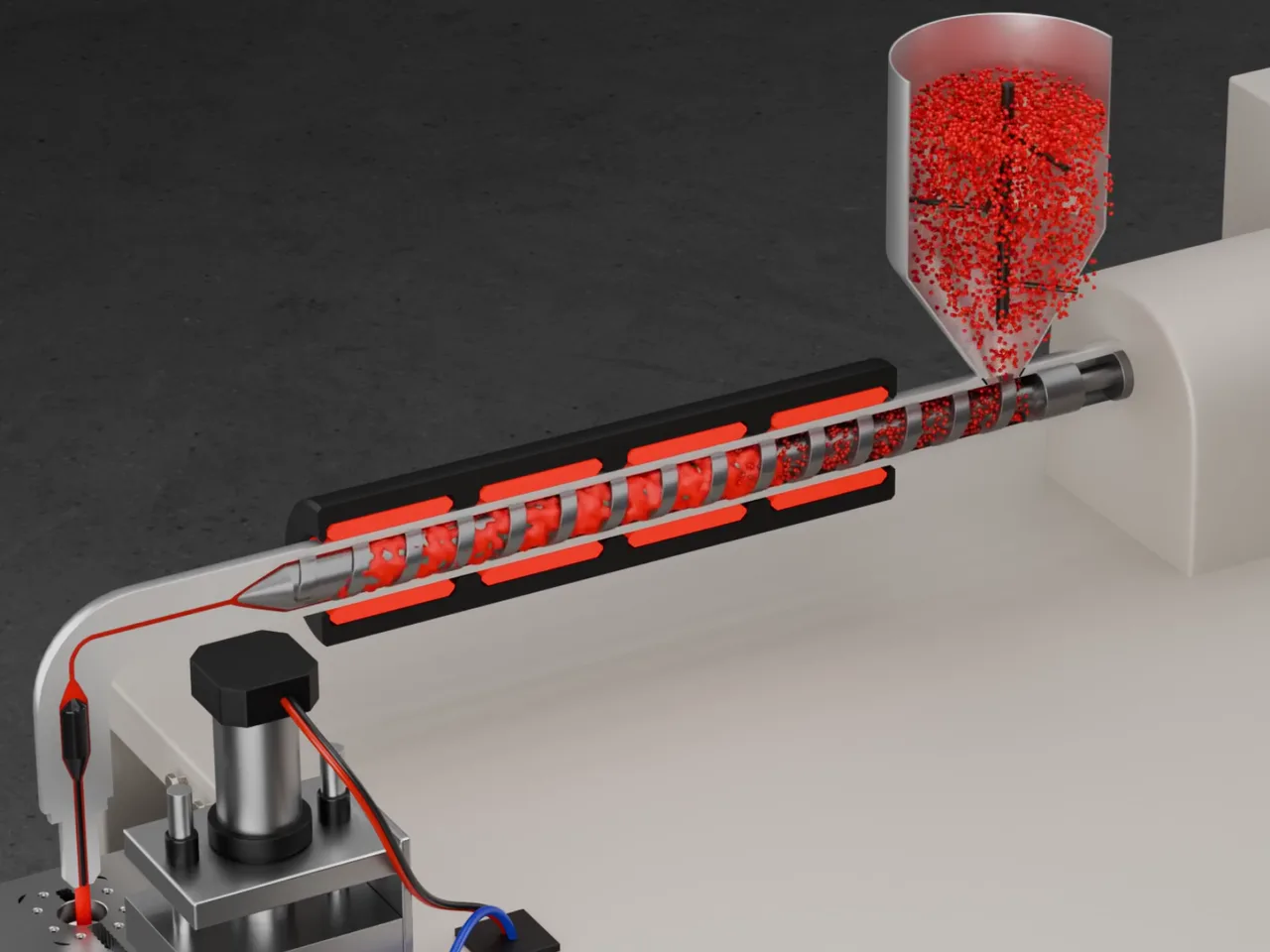
- Evidence for the idea. The mechanism that makes it possible, shown clearly. This is where engineering-accurate animation earns its place.
- A reveal. The full machine, beautifully lit, at the moment the viewer understands what it does.
- A next step. The stand number, the launch event, the product page.
Structure for a 60 to 90 second launch film
| Section | Length | Content |
|---|---|---|
| Problem | 5 to 10 s | The pain the customer knows: downtime, changeover, space, waste. |
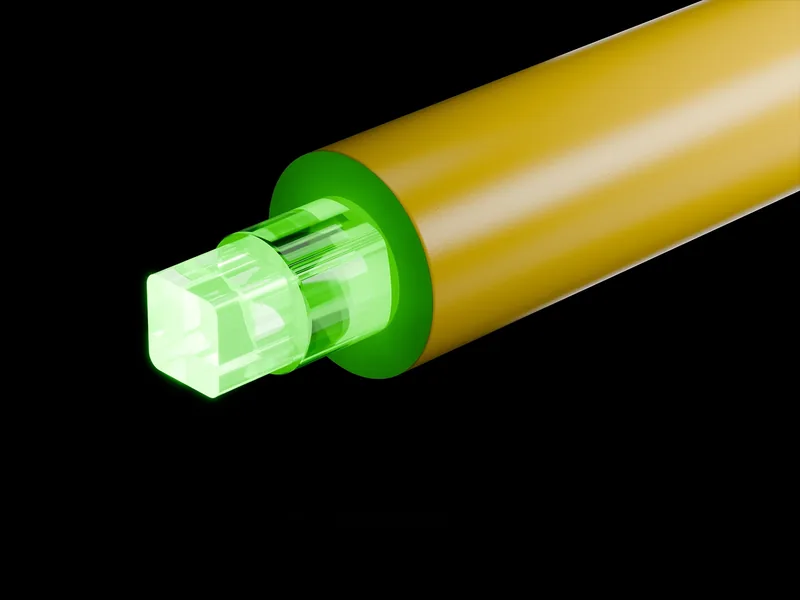
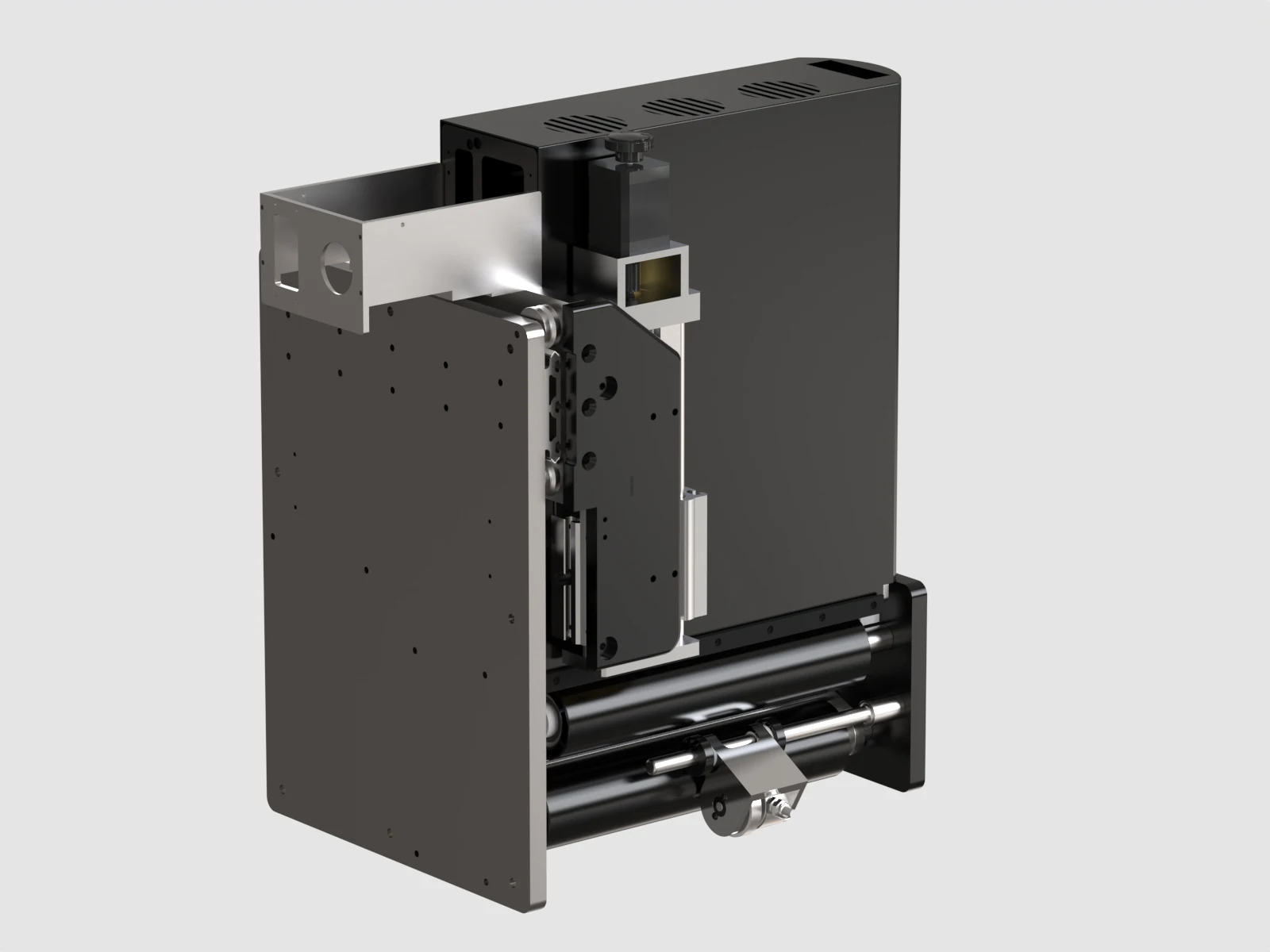
| Detail tease | 10 to 15 s | Close macro shots of new components, without the full machine. |
| Mechanism | 20 to 30 s | Cutaway or x-ray: how the key innovation works. |
| Reveal | 10 to 15 s | The full machine, hero lighting, slow camera move. |
| Proof | 5 to 10 s | One or two numbers on screen. |
| Close | 5 s | Name, logo, launch date or stand. |
The versions you will need
One master film is never enough. Plan these from the start, so they are rendered from the same scenes rather than cut down afterwards:
- Master film, 60 to 90 seconds, with sound design and optional voice-over.
- Silent stand loop with on-screen text.
- Teasers of 6 to 15 seconds in square and vertical formats.
- Language versions for each launch market.
- Stills from the film at print resolution for press and catalogue.
Our trade show video plan shows how these fit around a fair.
Working before the machine exists
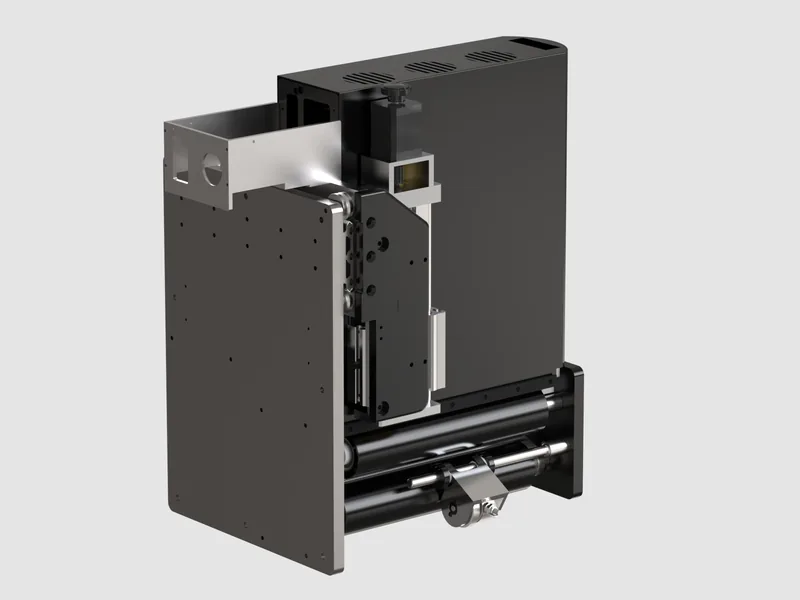
CAD-based production starts from the engineering model, so it can run in parallel with prototype build. Three things make that work smoothly:
- Freeze the visible design first. Internal changes rarely matter; the exterior, guarding and key mechanism must be stable before look approval.
- Agree finishes early. Colours, materials and branding on the machine are often decided late. Decide them for the film, even if production follows later.
- Keep a revision path. If the design changes after approval, a 3D production updates the model and re-renders. That is far cheaper than reshooting.
Confidentiality matters more than usual before a launch. We sign an NDA before any file moves, limit access to the project team and never publish anything without written permission. See our CAD confidentiality checklist.
Timeline
For a cinematic launch film, allow ten to twelve weeks from CAD to final delivery, including storyboard and look approval. If the launch is at a trade fair, send CAD at least fourteen weeks before opening so teasers and press images can go out four to six weeks ahead. Rush production is possible at plus 35 per cent.
Budget
Our cinematic launch films start at $12,500. A launch set of five or more assets, master film plus teasers, loop and stills, is $18,500. Shorter feature films on a single mechanism start at $3,900. CAD preparation is included, and the prepared model stays on file for everything that follows: the catalogue, the manual illustrations, the next show. See cinematic machine films.
Planning a launch? Send the CAD and your launch date. We reply within one working day with a schedule and a fixed price.
Written by Engr. Bilal Naseem, mechanical engineer (PEC Reg. No. 47883) and founder of 3DEnginuity. Questions about your own machine? Write to bilal.naseem@3denginuity.com.
Send one CAD file for a free assessment.
We open it, tell you what is usable, and return a fixed price and delivery date within one working day. NDA first if you need it.