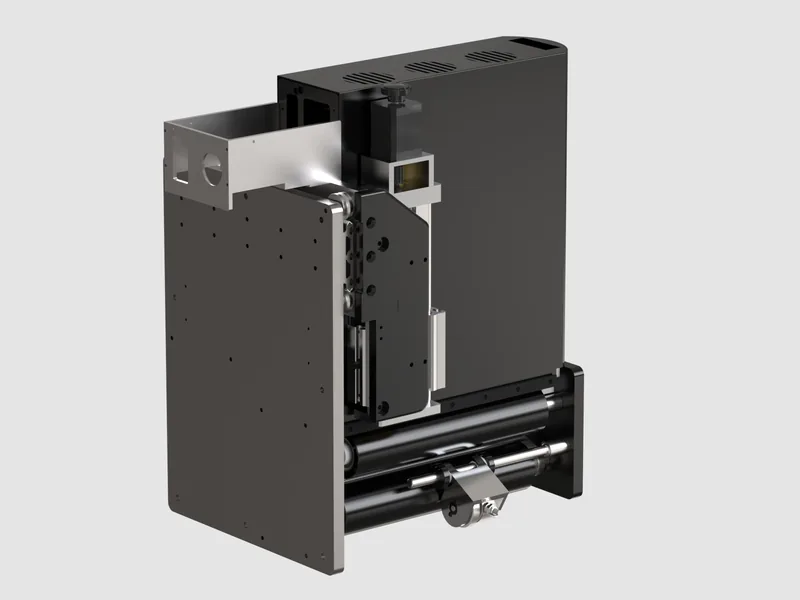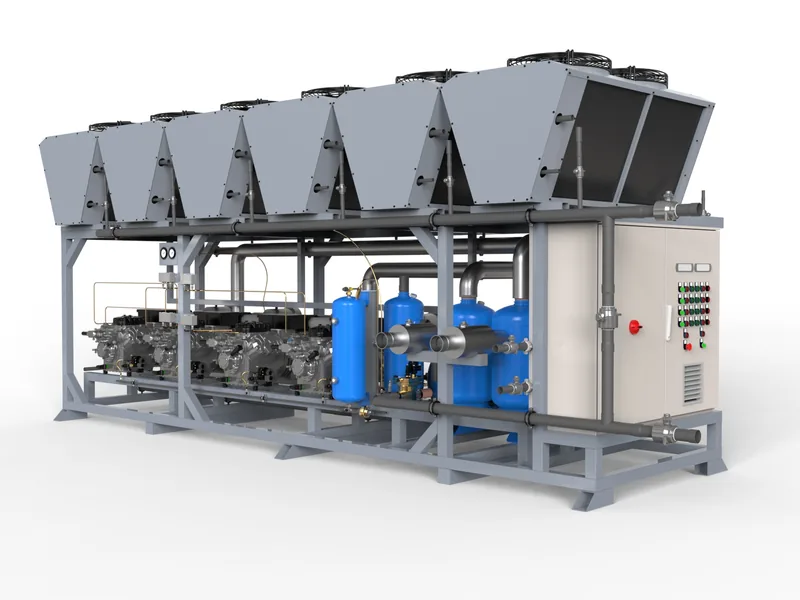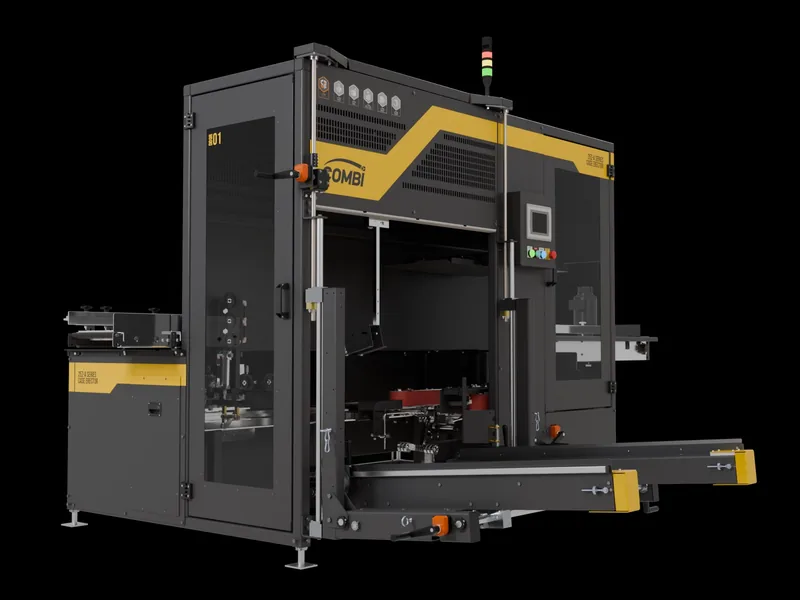
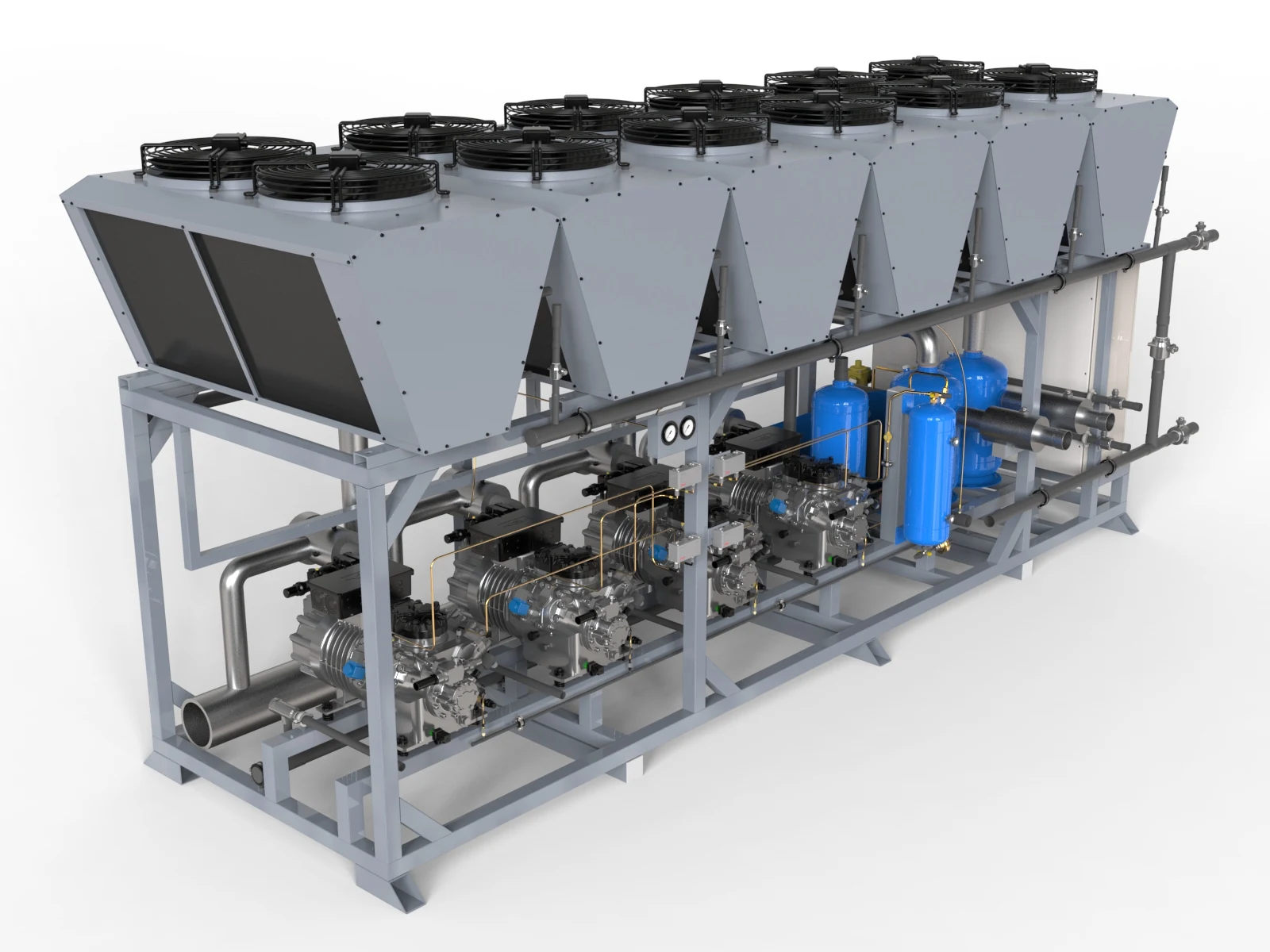
Industrial buyers increasingly want to research on their own before they talk to sales. In a 2025 Gartner survey of 632 B2B buyers, 61 per cent said they prefer a buying experience without a sales rep (Gartner, June 2025). For a machine with dozens of options, a web 3D viewer or configurator is how you let them do that research properly.
Vendor websites rarely publish prices for 3D configurators. This guide explains what a configurator for industrial equipment actually consists of, what each part costs, and how to start without a six-figure platform project.
Three levels of interactive 3D
| Level | What the buyer can do | Typical use |
|---|---|---|
| 3D viewer | Rotate, zoom, open guards, see hotspots | Product pages, trade show touch screens |
| Visual configurator | Choose sizes, options, colours, see the result | Machines with defined option sets |
| Configurator with CPQ | Rules, pricing, quote and CAD or BOM output | Complex configure-to-order equipment |
Most machine builders get the best return from the first two levels. A full CPQ (configure, price, quote) integration with ERP is a much larger IT project, and should be scoped separately.
Where the money goes
Every configurator has two separate cost blocks, and mixing them up is why quotes are hard to compare:
- The 3D asset pipeline. Turning heavy engineering CAD into lightweight real-time models (glTF or GLB), with correct materials and every option as a separate, switchable part. For machinery, this is usually the larger and harder block, and it is where we work.
- The platform. The software that displays the model, handles the logic and connects to your website, CRM or ERP. This can be a licensed platform with a monthly fee or a custom build.
For reference, one German agency puts custom-built 3D configurators for manufacturers at roughly EUR 35,000 to 70,000 upfront plus EUR 6,000 to 9,000 a year, and CPQ software at EUR 5,000 to 20,000 setup plus EUR 800 to 3,000 a month (Kolonell, 2026). Those figures include rules engines and integrations that many machine builders do not need on day one.
A practical starting point
Our interactive 3D work starts at $6,400. For that, a machine is converted from CAD into an optimised web model with its main options, hotspots and an embeddable viewer for your website and trade show screens. It does not require a platform licence to start.
- Start with a viewer for your top-selling machine, with three to five options.
- Measure time on page and enquiries from the product page for three months.
- Extend to more machines and options, or connect a CPQ system, once you know it works.
What makes industrial models hard
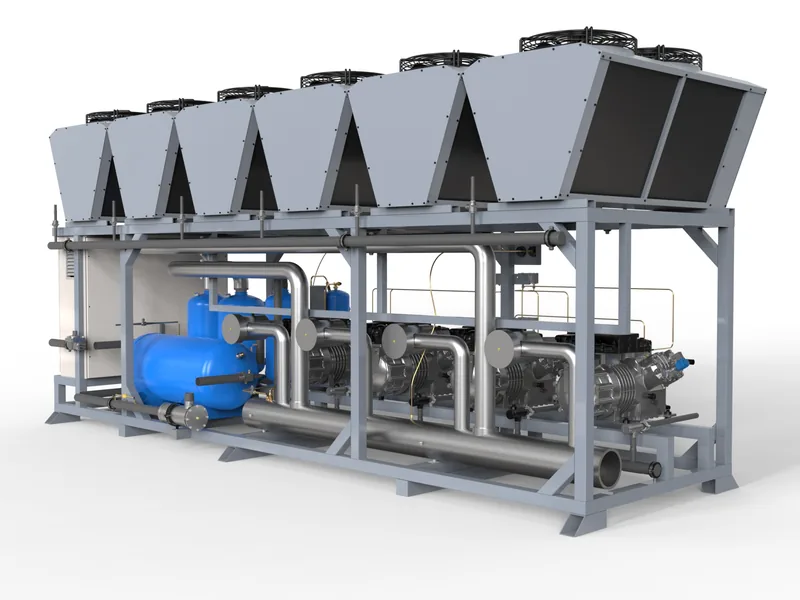
Engineering CAD is far too heavy for a web browser. A single machine can have millions of polygons and thousands of parts, while a smooth web viewer needs a few hundred thousand polygons and a few dozen materials. Getting there without losing the details buyers care about is the real work:
- Decimation that keeps visible edges crisp and removes hidden internals.
- Option logic built into the model structure, so a guard, a conveyor length or a motor size can be switched on and off.
- Baked materials that look correct on any device, including tablets at a trade fair.
- File size budgets, typically a few megabytes for the first view, so the page loads on a mobile connection.
This is the same skill set used to prepare CAD for rendering, which is why a studio that already renders your machine can deliver the configurator model efficiently.
What about the much-quoted conversion numbers?
You will often see claims such as a 94 per cent increase in conversions from 3D. That figure comes from Shopify merchants in consumer e-commerce (Shopify), not from industrial sales, and should not be used to forecast a machine builder's results. The honest case for industrial configurators is different: fewer misunderstood specifications, better qualified enquiries, and a sales team that spends less time explaining options.
Reusing the model
The optimised model built for a configurator is the same one used for AR at the customer site, VR training and fast re-renders of new variants. That reuse is a large part of the return on the first project. For the step before a configurator, see from static renders to interactive 3D.
Send the CAD of one machine and your option list, and we return a fixed quote for a viewer or configurator within one working day.
Written by Bilal Naseem, mechanical engineer and founder of 3DEnginuity. Questions about your own machine? Write to [email protected].
Send one CAD file for a free assessment.
We open it, tell you what is usable, and return a fixed price and delivery date within one working day. NDA first if you need it.