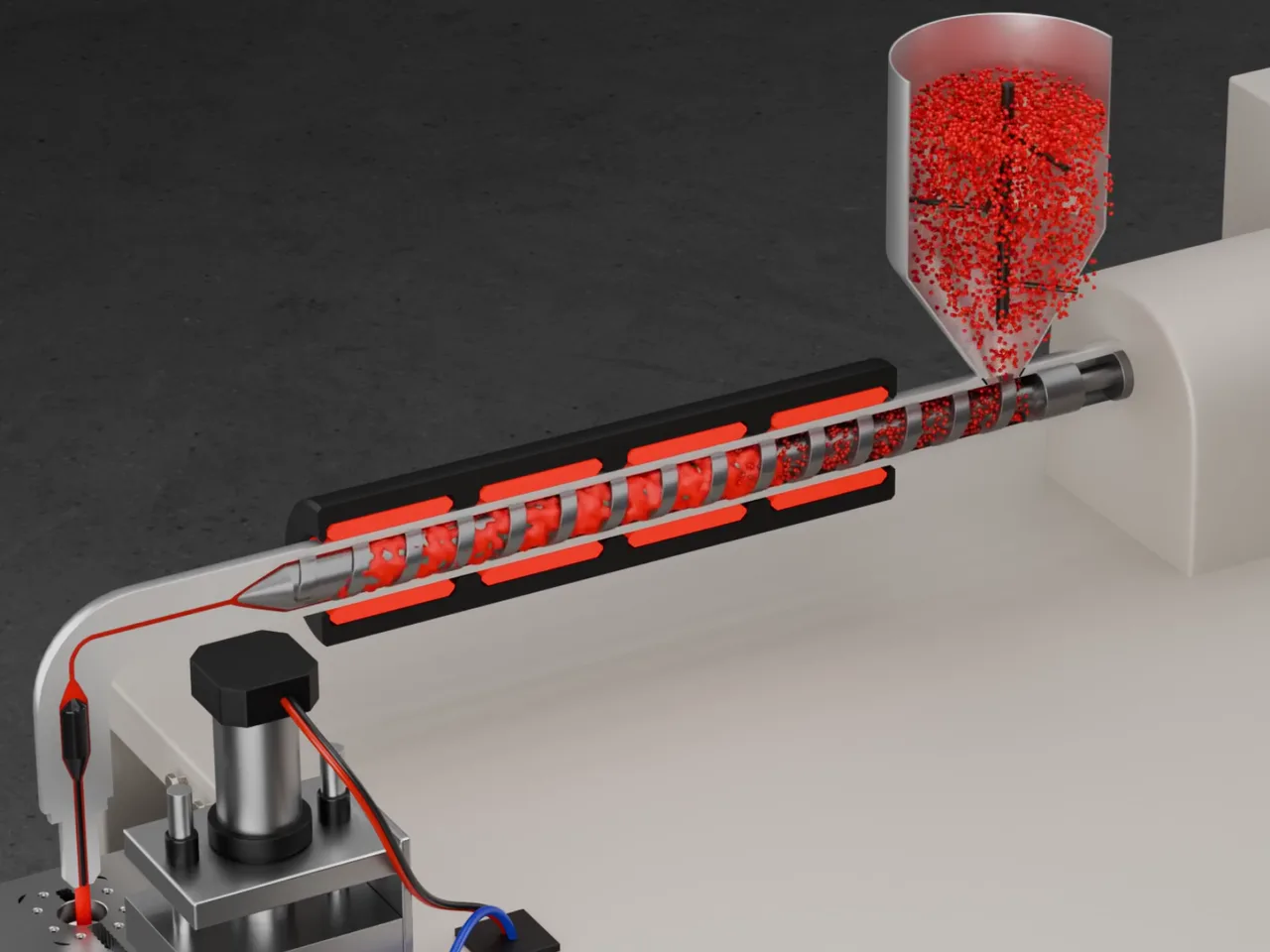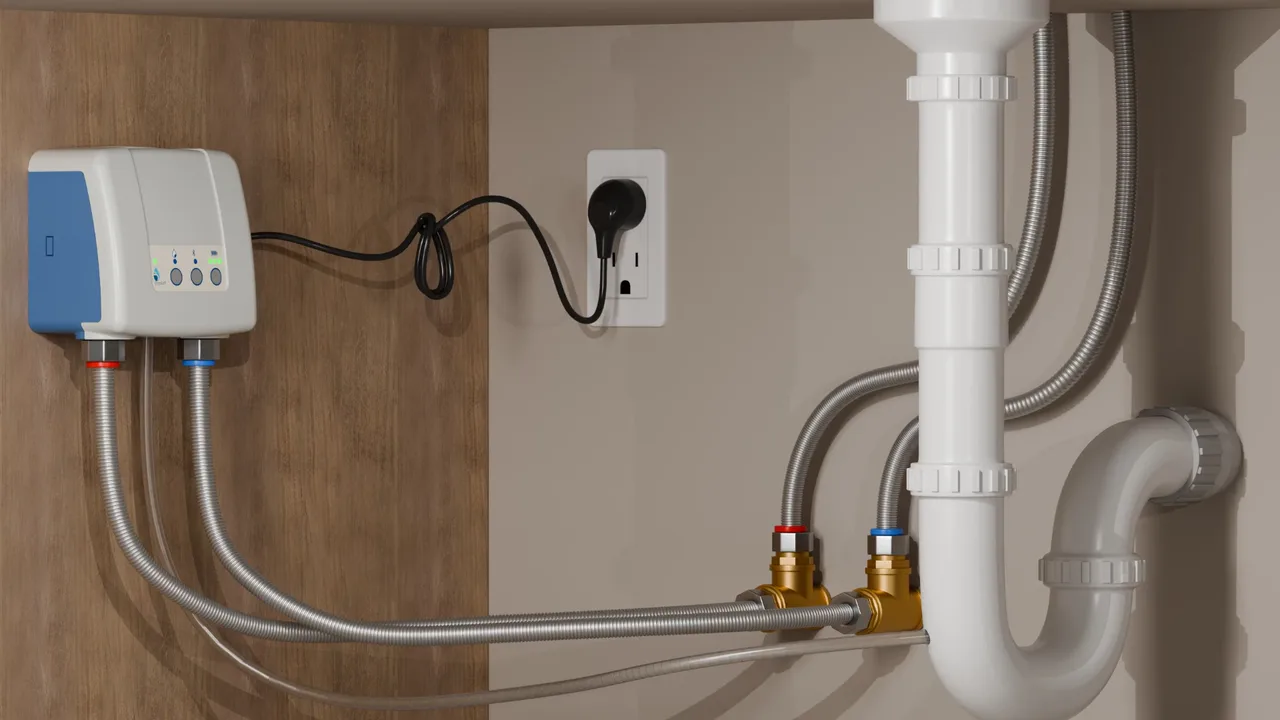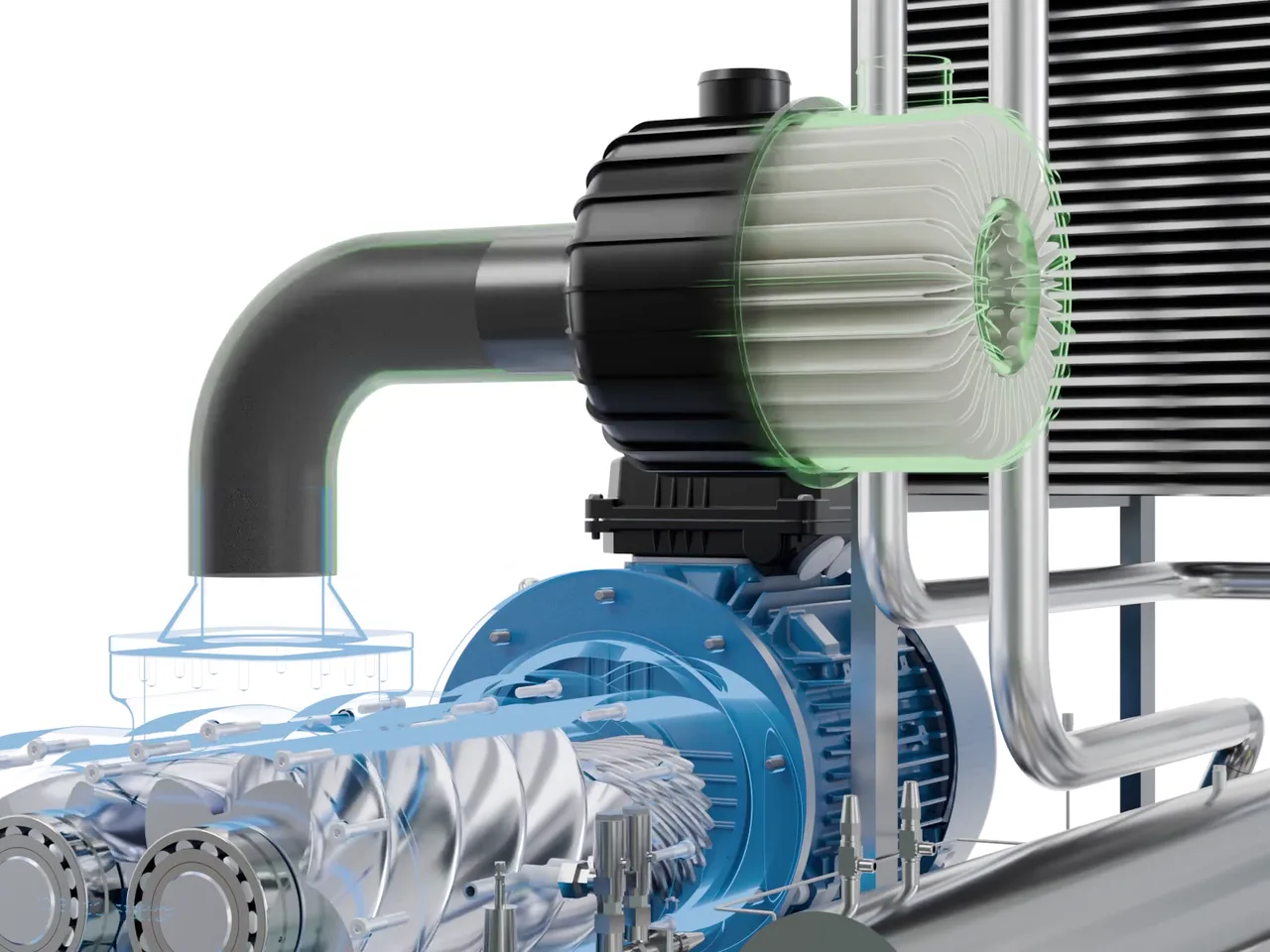
Ask a sales engineer what they spend most of their time explaining, and the answer is usually the same: how the product works inside. Why this pump does not cavitate, how this valve seals, why this gearbox runs cooler, how this compressor delivers air at a lower energy cost. The answer is a mechanism, and mechanisms are invisible from the outside.
A how it works animation shows the mechanism directly. Built from your CAD, it opens the product, removes what is in the way and runs the motion slowly enough to follow. Gardner's Industrial Buying Influence survey has found that equipment demonstrations are the type of video manufacturing buyers watch most for work. For products whose demonstration happens inside a closed housing, animation is the demonstration.
Four techniques, and when to use each
| Technique | What it does | Best for |
|---|---|---|
| Cutaway | A section is removed so the inside is visible while it operates. | Pumps, compressors, valves, heat exchangers, anything with flow. |
| X-ray | The housing turns transparent; internals stay solid and move. | Drives, gearboxes, actuators, where the housing matters too. |
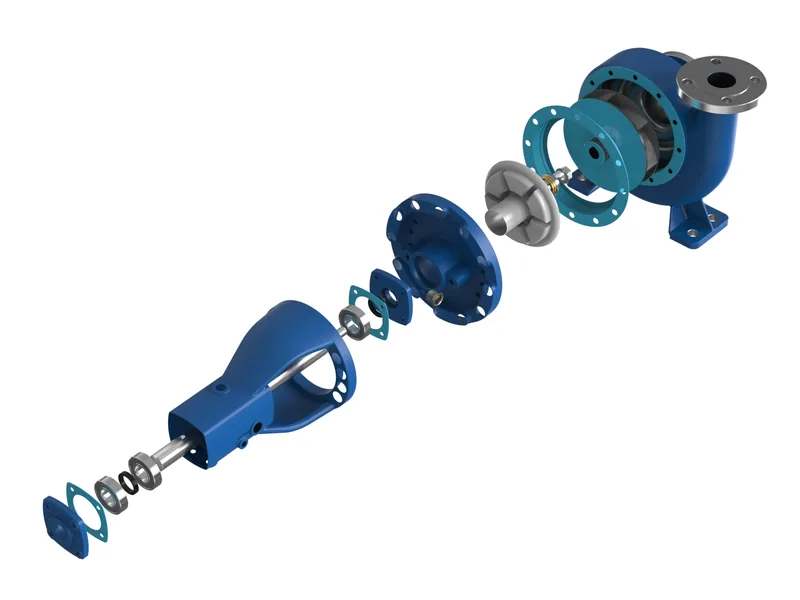
| Exploded view | Parts separate along their assembly axes, then return. | Showing build quality, part count, serviceability. |
| Flow and field overlays | Colour shows fluid, air, heat, pressure or force. | Energy efficiency claims, mixing, cooling, filtration. |
Most good how it works films combine two or three: an x-ray to show the drive train, a cutaway with flow overlay to show the process, a short explode at the end to show quality.
Accuracy is the point
An explainer video can simplify freely. A how it works animation for an industrial audience cannot. Engineers will check rotor direction, clearances, valve timing and flow paths, and one obvious error undermines everything else. That is why we build these from engineering CAD and drive motion from real kinematics, and why the review step includes your engineering team, not only marketing. Read process animation vs explainer video for the difference in approach.
How long should it be?
- 15 to 30 seconds for a single principle, silent, for stand screens and social media.
- 45 to 90 seconds for a product with several functions, with captions or voice-over, for product pages and sales meetings.
- 2 to 4 minutes for training and service, structured in chapters. See installation and maintenance animation.
Where how it works animations are used
- Product pages, where they answer the question a datasheet cannot.
- Trade show screens, as silent loops. See our booth loop rules.
- Sales presentations and tender documents.
- Distributor and service training.
- Patent and investor presentations, where the mechanism is the asset.
Cost
A how it works animation on one mechanism, 20 to 45 seconds, is a feature highlight animation in our pricing and starts at $3,200. A three-film set across a product family is $8,500. Longer process films start at $6,500 for 60 seconds. CAD preparation is included. Stills from the same scene, cutaways from $690 and exploded sets from $1,150, cost much less once the model is prepared.
What to send
- Product CAD as STEP or native files, including internals.
- A description of the working principle and the one thing you want buyers to understand.
- Any operating data: speeds, flows, pressures, temperatures.
We sign an NDA before any file moves. Send one CAD file for a free assessment and a fixed quote within one working day.
Written by Engr. Bilal Naseem, mechanical engineer (PEC Reg. No. 47883) and founder of 3DEnginuity. Questions about your own machine? Write to bilal.naseem@3denginuity.com.
Send one CAD file for a free assessment.
We open it, tell you what is usable, and return a fixed price and delivery date within one working day. NDA first if you need it.