- Dates
- 26 to 28 January 2027
- Venue
- Georgia World Congress Center, Atlanta
- Organisers
- USPOULTRY, AFIA and the Meat Institute
- Cycle
- Annual
- 2026 edition
- 1,385+ exhibitors, about 33,000 attendees
- Next dates
- 25 to 27 January 2028
Sources: IPPE FAQ, WATTPoultry 2026 report.
IPPE, the International Production & Processing Expo, opens at the Georgia World Congress Center in Atlanta on 26 January 2027. The 2026 show had around 33,000 attendees, more than 1,385 exhibitors and the largest floor in its history at 663,000 square feet. For builders of poultry, meat and feed processing equipment it is the most important week of the North American year.
With the show less than three months away, this guide is deliberately practical: what poultry and meat processors want to see on a stand, which visuals you can still produce from your CAD before January, and what they cost.
IPPE 2027 at a glance
IPPE is organised jointly by USPOULTRY, the American Feed Industry Association and the Meat Institute, which is why the floor spans feed mills, hatcheries, primary processing, further processing and packaging. Attendee registration costs $99 until 8 January 2027, which pushes many visitors to plan their show days early. Your pre-show outreach should land before that.
What processors look for on the floor
Plant managers and engineers from integrators and processors walk IPPE with very specific problems: labour shortages on the line, yield, food safety audits and sanitation time. Equipment that answers those problems visually gets attention:
- Yield and throughput, shown as birds or pieces per minute moving through each station.
- Labour savings, shown by the operator positions a machine removes or makes safer.
- Sanitation, shown as open frames, quick-release parts and wash-down access. Sanitation shifts are expensive, so equipment that cleans faster is an easy sell.
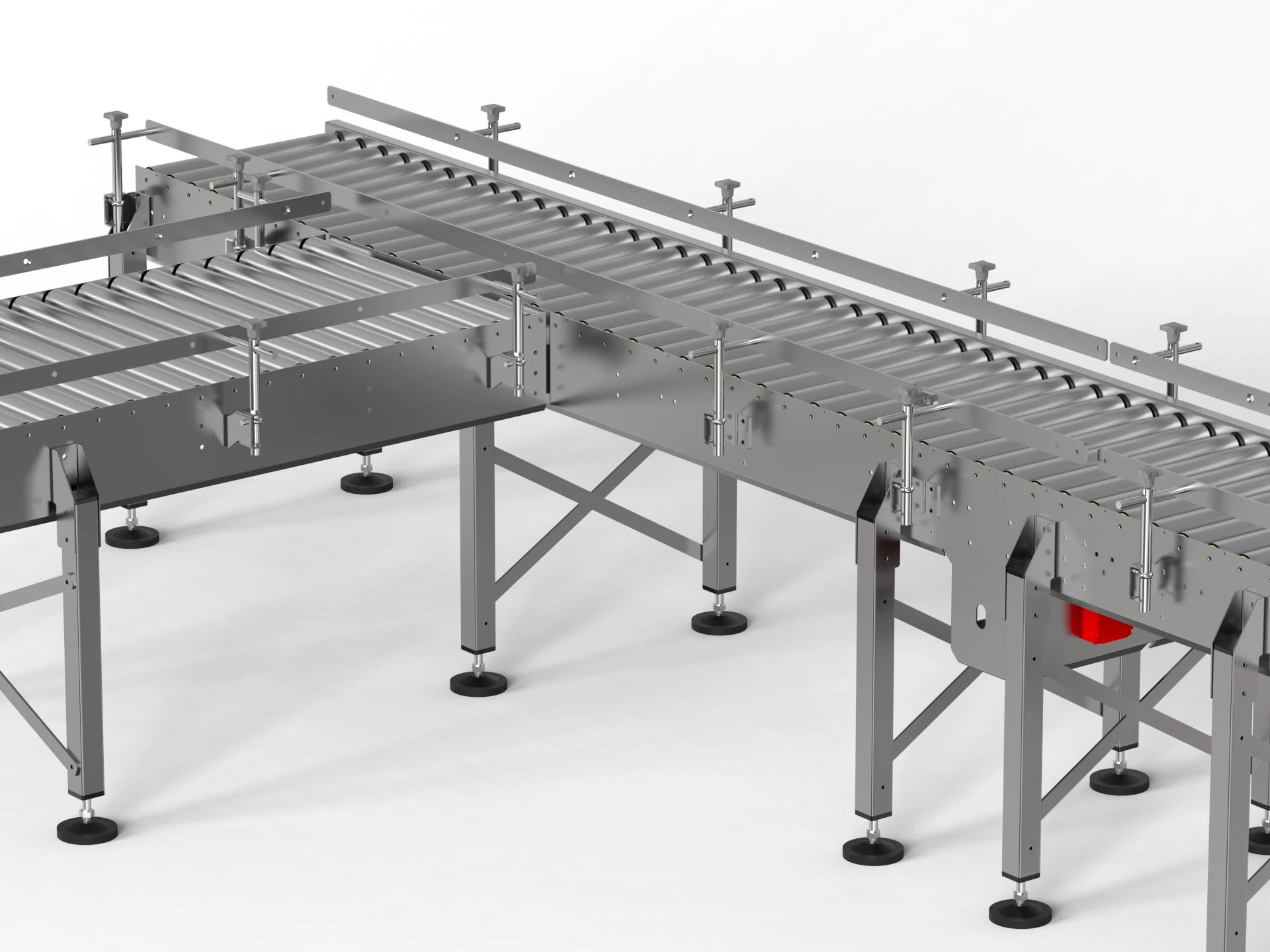
- Line integration: how your machine connects to evisceration, chilling, cut-up, deboning or packaging lines already in the plant.
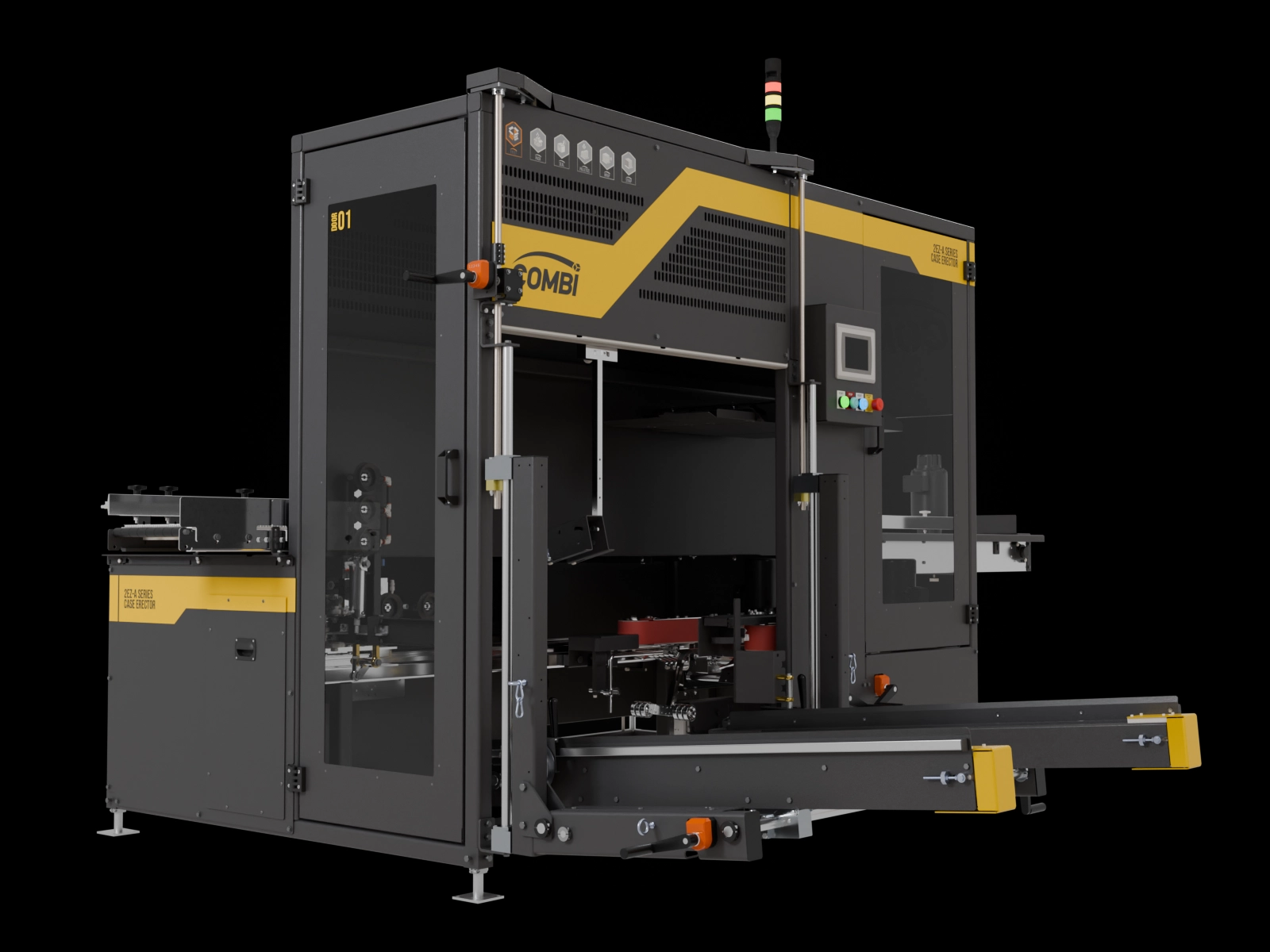
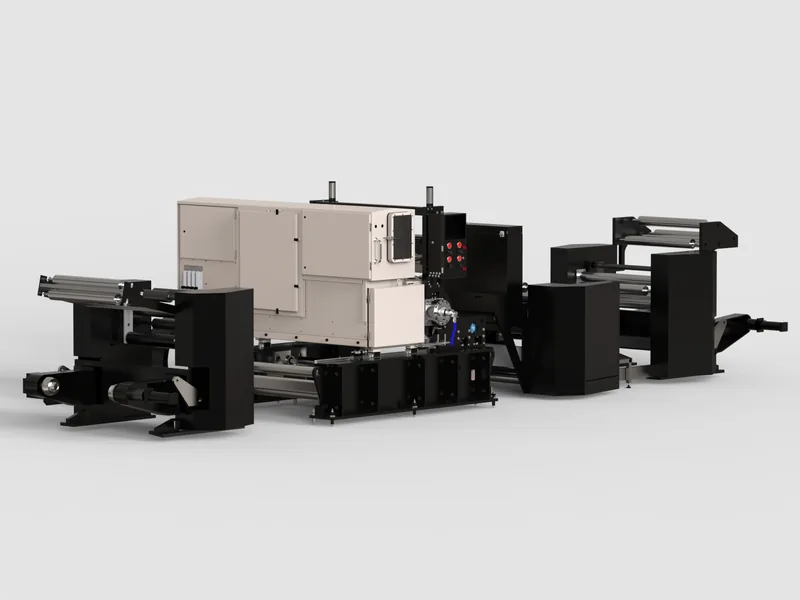
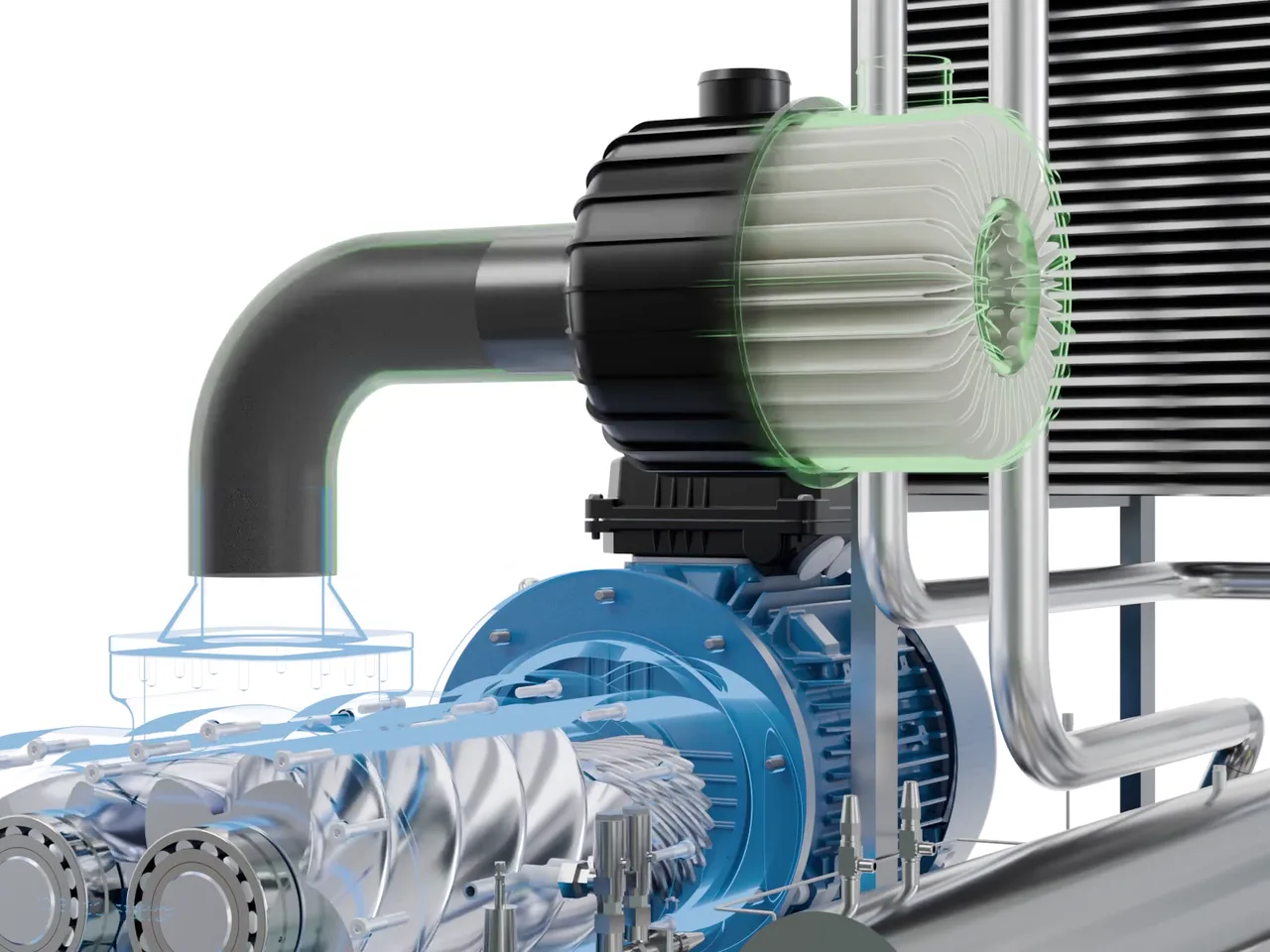
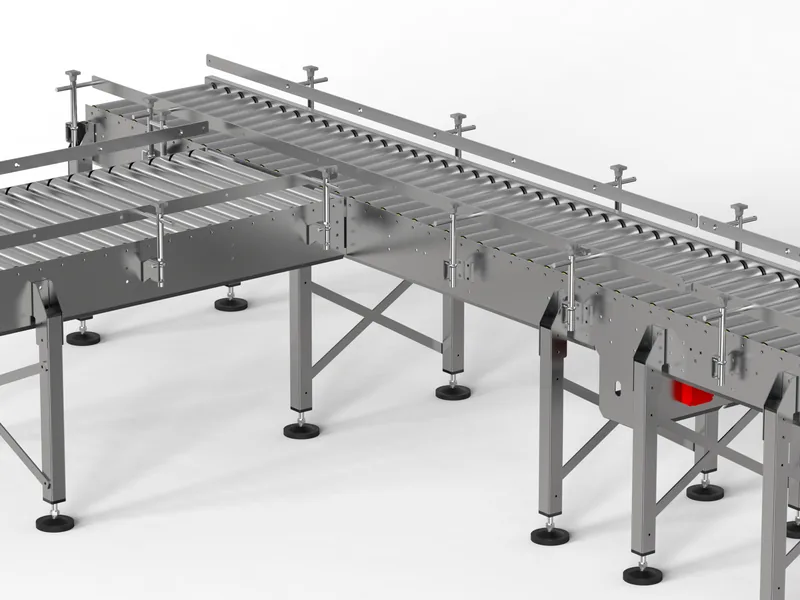
Most of this cannot be demonstrated on a show floor. Live product is not allowed on most stands, many machines are too large to ship, and the interesting part runs behind guarding. A process animation built from your engineering CAD shows the product moving through the machine, station by station, with the guarding ghosted out.
What is still realistic before 26 January
| Asset | Production time | Send CAD by |
|---|---|---|
| Process or line film (60 to 120 s) | 8 to 10 weeks | 3 November 2026 |
| Cinematic launch film | 8 to 12 weeks | 20 October 2026 |
| Feature highlight film (20 to 45 s) | 2 to 4 weeks | 8 December 2026 |
| Booth wall prints from renders | 5 to 10 working days, plus print | 15 December 2026 |
| Renders for pre-show emails and press | 5 to 10 working days | 24 November 2026 |
In plain terms: if you send CAD in the first half of November 2026, a 60 second line film is achievable. If you start in December, plan photoreal renders, two cutaways and a 30 second feature film that loops on your booth screen. Both options are far more effective than a static banner.
Feed mill and further processing equipment
IPPE is not only about primary processing. Feed mill equipment, from hammer mills and pellet mills to batching and conveying systems, is a large part of the floor, as are further processing lines for marination, forming, coating, frying and cooking. Each has its own visual story:
- Feed milling: the material path from intake to pellet cooler, with dust control and energy use made visible.
- Further processing: product transfer between forming, coating and cooking, and how the line handles different products and sizes.
- Packaging and end of line: tray loading, weighing, labelling and case packing, where speed and labour savings are the headline.
For all three, the strongest single shot is usually the same: a slow move along the line with the guarding ghosted, product moving at realistic speed, and one number on screen per station.
The visuals that work at IPPE
Booth loop
A silent loop of 30 to 90 seconds that repeats without a visible cut. Show product entering, the key processing step in close-up, and the output. Keep on-screen text to five or six words per caption so it reads from the aisle.
Sales film with numbers
A longer cut with throughput, yield and labour figures as callouts, for meetings at the stand and follow-up emails after the show.
Renders for print and digital
Photoreal stills for the booth graphics, the show directory listing, trade press such as WATTPoultry, and LinkedIn posts in the two weeks before the show.
Costs
All prices include CAD preparation. If you are new to working with us, our $800 pilot project delivers three renders of one component or compact product in three working days, which is a quick way to test quality before committing to a film.
What to send this week
- The CAD of the machine as you will show it, STEP or native.
- A short description of the process and the product (whole birds, parts, fillets, ground product).
- The throughput and yield figures you are allowed to publish.
- Your booth screen format and size.
We reply within one working day with a fixed quote and a delivery date before your shipping deadline. Send your CAD here, under NDA if you need one.
Written by Bilal Naseem, mechanical engineer and founder of 3DEnginuity. Questions about your own machine? Write to [email protected].
Send one CAD file for a free assessment.
We open it, tell you what is usable, and return a fixed price and delivery date within one working day. NDA first if you need it.