Every machine builder faces this choice when the catalogue needs updating. Here is how the two really compare for industrial equipment.
The logistics problem
An industrial photo shoot needs a finished machine, a clean hall, controlled light, and a week that does not collide with production or a customer delivery. For a ten-metre line, it needs floor space that is already occupied. For a machine already installed at a customer site, it needs that customer’s permission, and often a confidentiality agreement of its own.
3D rendering needs a CAD file.
Cost comparison
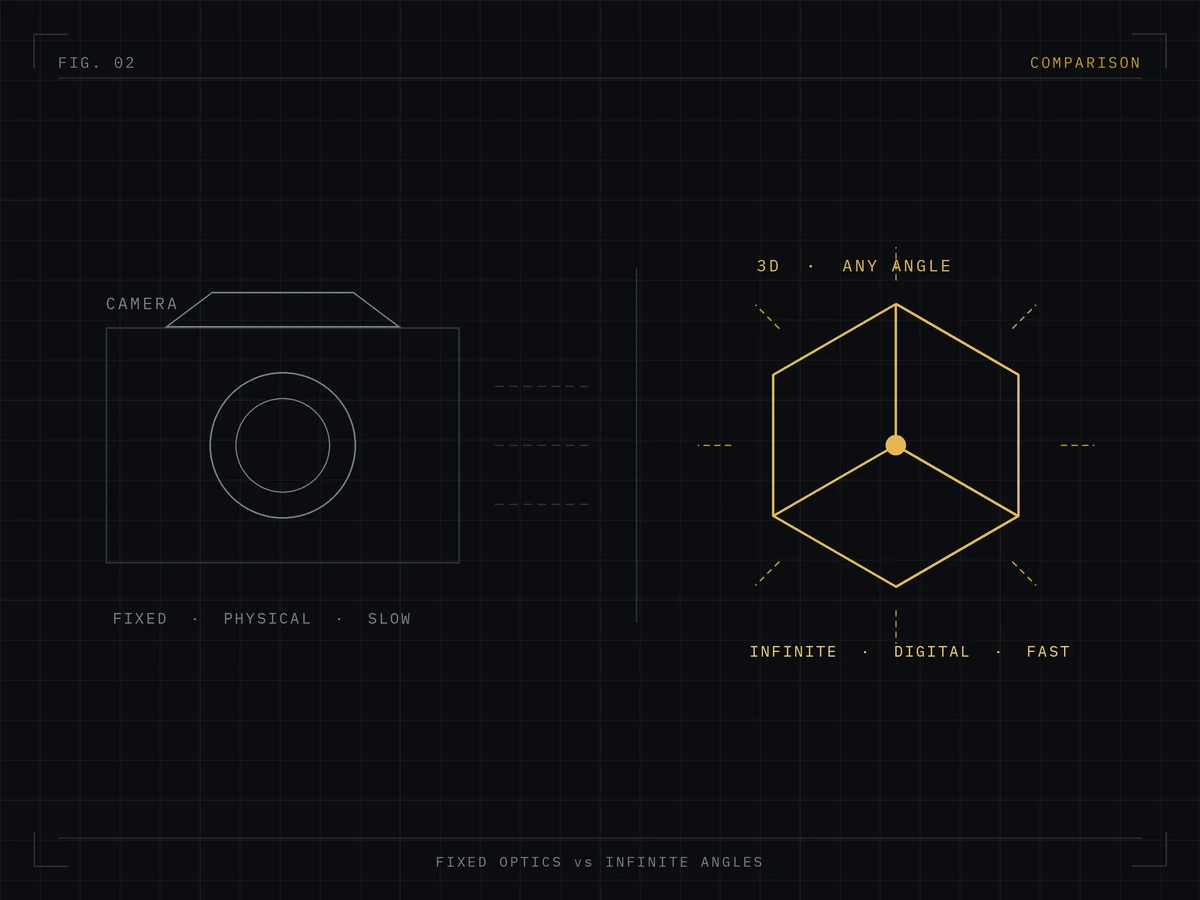
A professional industrial shoot typically means a photographer’s day rate, travel, assistants, lighting hire, cleaning and touch-up retouching, plus the internal time of the people supervising it. Rendering replaces that with model preparation, which you pay once, and per-image work after that. Our machine renders start at $590 per image, and a five-view set is $1,890.
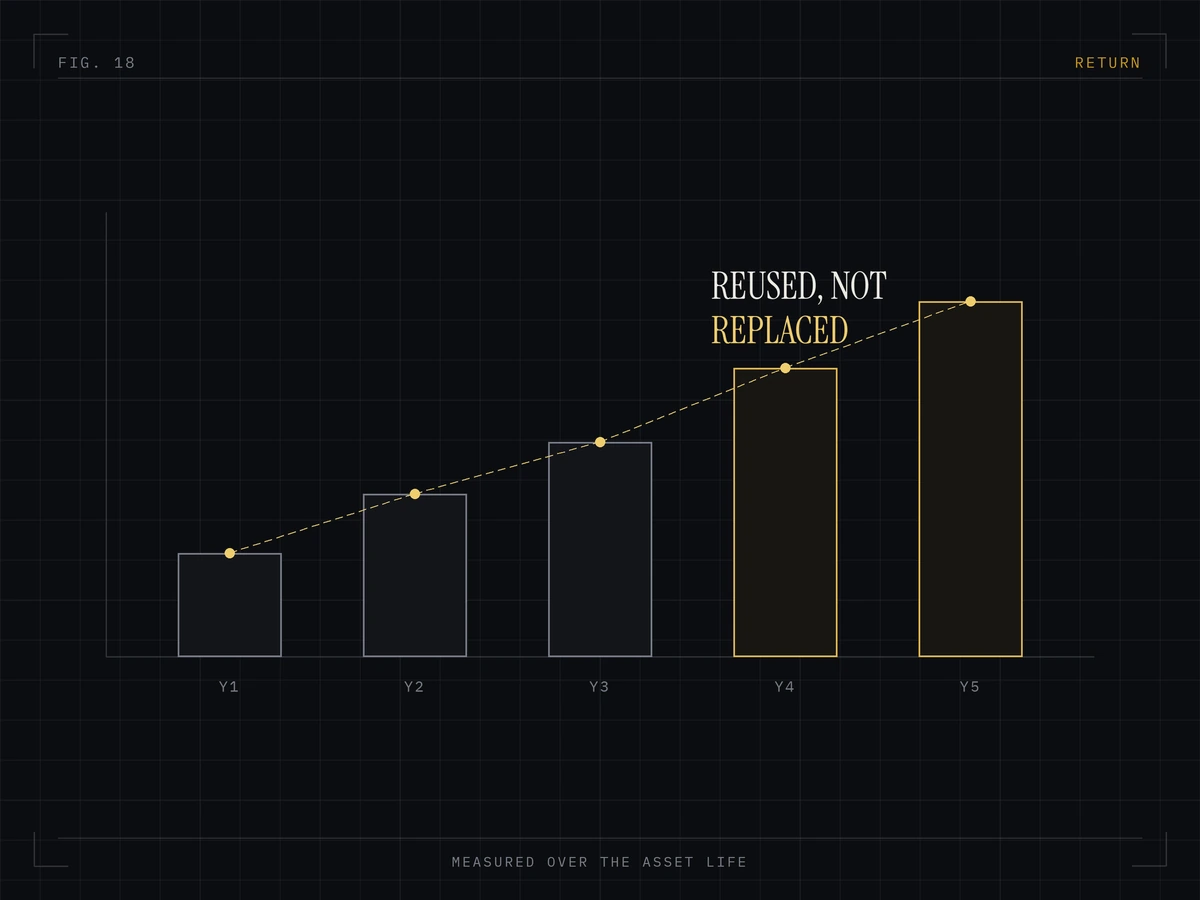
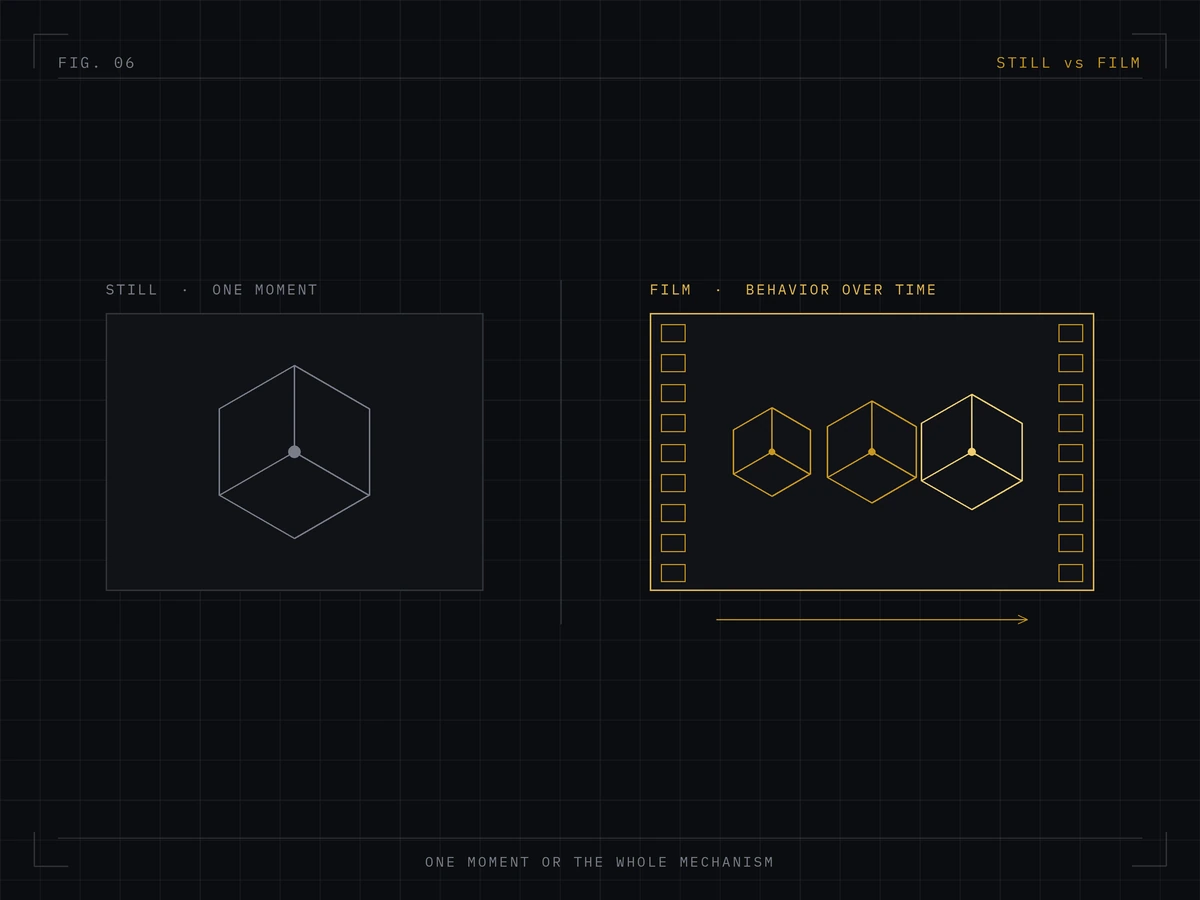
The decisive difference is what happens next year. A photo shoot delivers exactly the images you shot. A prepared model delivers new angles, new colours, new configurations and new backgrounds for years, at a fraction of the first cost.
Where photography still wins
- The machine exists, is clean, and is in a hall you control
- You want real people, real plants and real context in the frame
- The budget is small and only one or two images are needed
- Authenticity matters more than consistency, for example in a customer story
Where rendering wins
- The machine is not built yet, or is at a customer site
- You sell a range and need one consistent visual standard
- You need cutaways, x-ray views or the process in motion
- Configurations, guarding and colour options change by market
- The image must work at booth scale without pixelation
- You want the same asset reused for manuals, AR and training
The hybrid approach
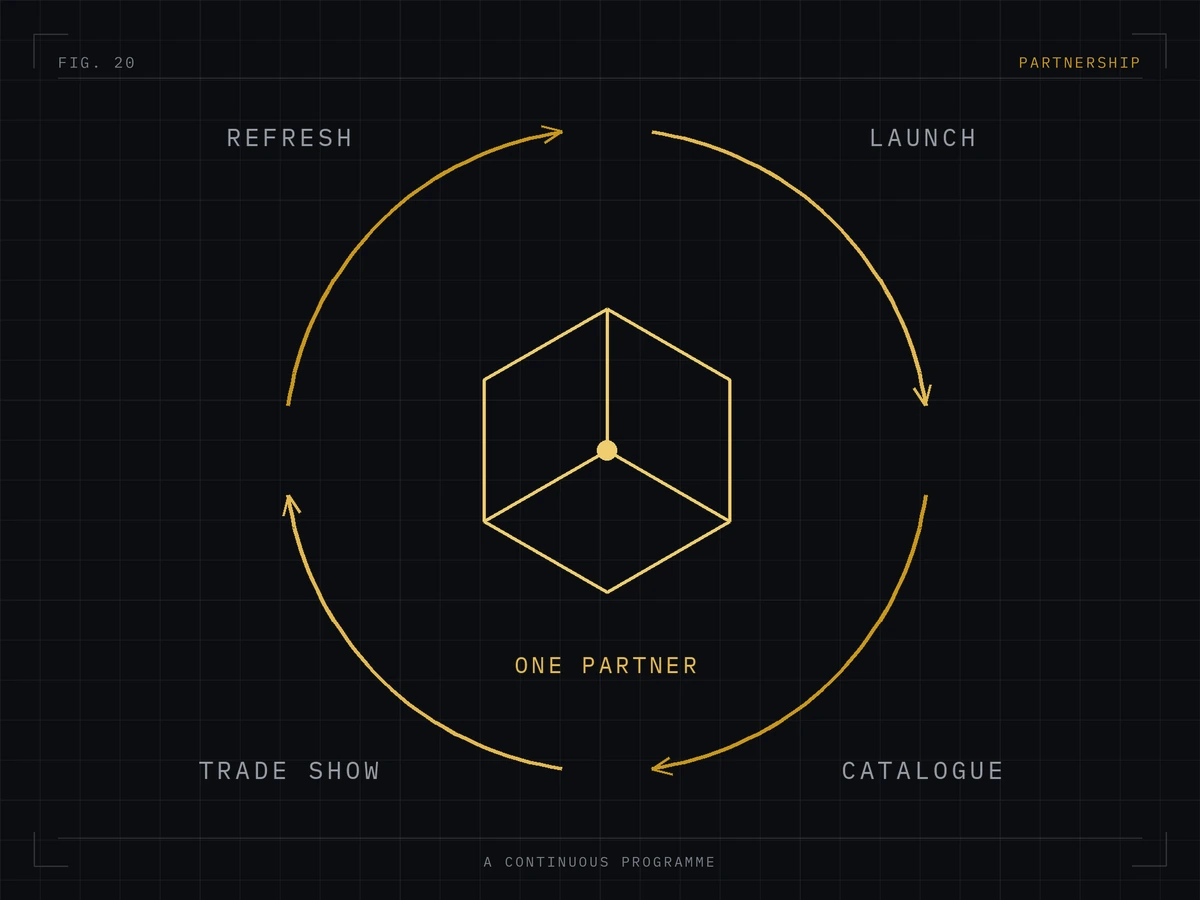
Many of our projects combine both: photography of the physical unit as material reference, rendering for the images themselves. That is how the JetFX system was produced, cross-referencing STEP files against photographs of the real machine.
What to do first
If you have CAD, ask for a free data assessment. We will tell you what your files can produce before you decide between a crew and a studio.
Send one CAD file for a free assessment.
We open it, tell you what is usable, and return a fixed price and delivery date within one working day. NDA first if you need it.